
Vacation packages and tours from Des Moines, IA
Travel Agency in Des Moines, Iowa: Vacation Packages and Tours
Rowan Logbook is an independent travel agency in Des Moines, Iowa. Seventeen trips, sorted by the one thing nobody asks you: how much of your day somebody else has already decided.
Seventeen trips, sorted by how planned the day is
Ask somebody what went wrong with a holiday and it is rarely the hotel. It is that the days were full when they wanted them empty, or empty when they wanted a plan.
Nobody asks about that before taking a deposit. Everybody asks where and when.
So it is the first question here, and the whole catalog is built on the answer. Four shapes of day: nothing in the diary at all, one fixed thing a day, a program with real gaps in it, or every hour held by somebody else.
- Nothing in the diaryBeds and transport are booked. Nothing else is, and every hour is yours to spend or waste.4 trips, from $1,780 per person
- One fixed thing a dayOne booked appointment each day. The other seven or eight hours belong to you.4 trips, from $2,190 per person
- A program with gapsA guide holds the route and the mornings. The afternoons are left loose on purpose.4 trips, from $3,120 per person
- Every hour heldA timetable somebody else keeps. On four of the five there is no alternative to it.5 trips, from $4,180 per person
The bar on each is a proportion, not a color: it shows how much of an average day is already spoken for.
The seat, before any of the hours
Everything below this counts what a day already owes to somebody else. A flight is the purest case of that and the least negotiable: the hours were set months ago, they are the same hours for everybody aboard, and no conversation with this office moves them by a minute. So it is the one piece of a trip you may as well settle first, and alone.
Price a seat without asking anybody
Every trip in this catalog prints how much of an average day is already decided for you. A scheduled flight is the far end of that scale: the hours were fixed months ago by people who will never meet you, and no amount of asking moves them. Which is why it is the one thing on this site worth settling on your own.
This catalog counts things, so count what this office does from the press onward. It does not fetch the price. It does not hold the seat. It never touches the card, and no page here owns a field capable of taking one. It cannot amend the reservation afterwards. Four times nothing, and the reason is that a separate firm does all four, on a subdomain of this address and under its own terms, which are the terms printed on the ticket and therefore the ones worth reading. What this office does get, if you go through with it, is a share of a margin that firm had already built in. Which is why the figure you pay reads the same whether you came through this page or typed their address from memory. That line, read back character by character.

The catalog
 Crete vacation packageself-driven stay from one base, empty diary
 Mallorca vacation packagea car, a village and an empty week
 Asturias vacation packagea self-driven week with an empty diary
 Cornwall vacation packageone base, one car, an empty diary
 Bohemia vacation packageone booked item a day, two rail-linked bases
 Istria vacation packageone booked appointment a day, the rest empty
 Brittany vacation packageone fixed appointment a day, set by the tide
 the Yucatan vacation packageearly mornings, open afternoons
 Kyrgyzstan vacation packagea guided run through high pastures with real gaps left in it
 Oman vacation packagea guided drive with gaps left in the day
 South Korea vacation packageguided mornings, free afternoons
 the Bolivian Altiplano vacation packageguided vehicle days with real gaps left in them
 Ethiopia vacation packagea fixed-date flying circuit
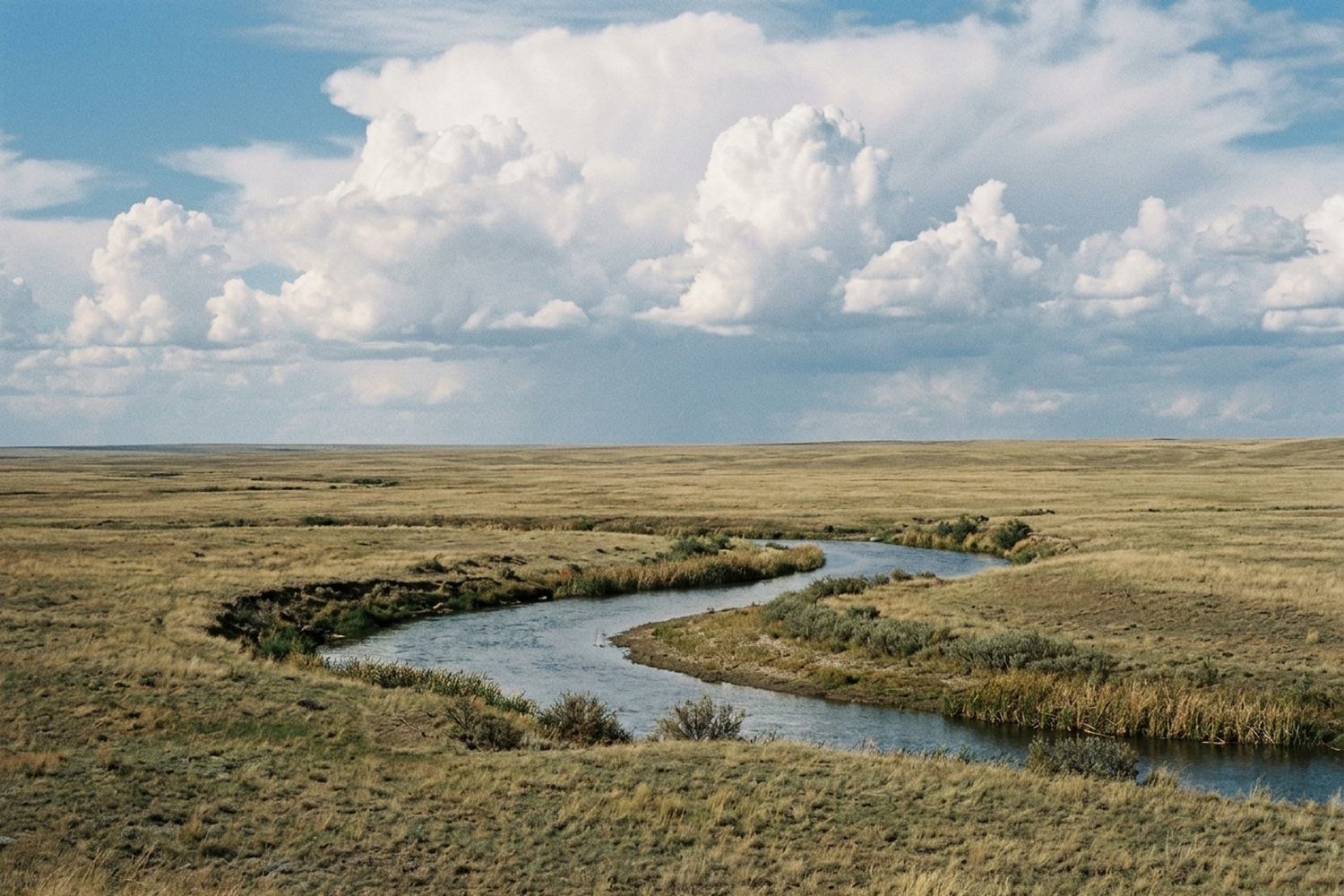 Mongolia vacation packagea driven convoy with the day already placed
 Bhutan vacation packagea fully held timetable with a guide on every day
 Rwanda vacation packagea permit-led schedule somebody else holds
 the Antarctic Peninsula vacation packagea fully scheduled small ship voyage in ice
What arrives when you ask
- A written proposal naming the operating company, the dates and the whole figure per person
- The hours of an average day already committed, counted rather than described
- The earliest start in the trip, with the time on it
- Every move, and what it does to the day it falls on
- Which of the operator's rules are genuinely enforced, extracted from small print nobody expects you to read
- The same person handling it from your opening question through to the last night
The work, and what it costs you
- The work itself
- Reading somebody else's terms line by line, spotting the clauses that will hurt, and saying plainly when the trip you described will not fit the week you described
- Your bill
- There is not one, and no page here quotes a charge of ours
- The source of the income
- Part of the operator's own margin, handed over once you are back
- Who sends the invoice
- The operator does, under its own name, which is what appears on your statement
- What is held at this end
- Not a cent. This website has no field capable of accepting money
Ask what something costs
The company
- Registered as
- Rowan Logbook LLC
- Registered with
- the Iowa Secretary of State
- Office
- 801 Grand Avenue, Des Moines, IA 50309
- Telephone
- +1 (515) 698-3142
- Requests
- Through the form above, at any hour
- Writing
- hours@rowanlogbook.com